Key Points:
- Make sure you have a crystal-clear budget.
- Make sure you stick to all the local building codes
- Expect noise and dust in the home addition process
- Hire licensed professionals for high-quality work.
- A home addition increases the value of the existing home
Introduction
Creating room in your home is very welcoming. It gives you extra space for your family, work, or hobby. However, adding onto your home is not simple. It requires proper home addition planning. People often jump into it without thinking about it. This way, their plans can go wrong. The money goes to waste. Things get more expensive than they anticipated. Here is what you must know before starting.
1. Check Your Budget First
First, you should look at money. Determine your price range. An addition costs more than you think because of factors such as materials, manpower, permits, and furniture. Always leave some money aside for any unfortunate incident. It is good to have 10% to 20% more than your estimate. This means you avoid surprise expenses.
If you are planning your budget beforehand, you are ready for a stress less project. Add funds for property taxes when adding a room. Maintenance cost is another element that you should be taking into consideration.
2. Learn the Rules
There are building codes for every city or town. In some areas, this means that any addition must not exceed a certain percentage of the property’s total height or size. You need special permission for construction. Don’t neglect this because it can cause a huge loss. Authorities can stop the work.
Check your local building office and ask them about permits. You can call a contractor to come for safety. Rules keep your home and your neighbors safe. Sticking to them makes sure your project is legally correct and free of trouble.
3. Plan for Disruption
Life becomes physically and mentally disturbed when you build an addition. The noise of machines can bring some disturbance. If the project is big, sometimes you have to leave the house. The construction process can take weeks or even months.
The shipment of materials is another factor. In the middle of the day, lumber, bricks, or windows might show up. You need space to store them. Weather may cause delays, so be prepared for that. Planning a home addition helps reduce frustration.
4. Think About the Layout
When you add a new space to your home, every detail affects the flow, light, and access. Where to add the doors and windows? How will the new room connect to the former spaces?
Consider natural light. Big windows make the room look broader and brighter. Do not cover the sunlight in the remaining rooms. Think about traffic patterns. There should be a free flow from one room to the other. Being careful to plan things out makes your home open and cozy.
5. Hire the Right Professionals
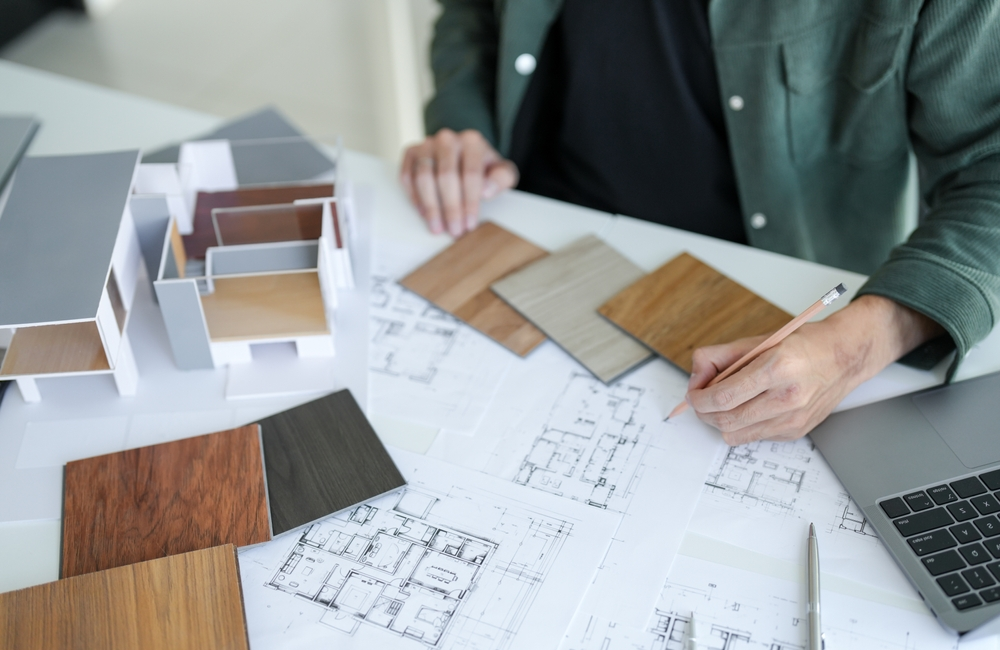
Find contractors who have a good reputation. Request references and previous work pictures. Designers can draft plans or obtain permits. You should also understand the home renovation guide for your project.
Experts make your home addition safe and durable. They prevent later mistakes that cost money. Don’t hire unlicensed workers. Taking shortcuts can cause injury or criminal consequences. A good team helps the project run smoothly and move faster.
Home Addition Ideas and Tips
Now that you know the basics, a home has many ways to expand. Here are a few good ideas and home renovation tips:
1. Add a Bedroom
Many people like a spare bedroom or two and an extra bathroom. They increase your home’s comfort. Having a new bathroom cuts down morning bickering. A bedroom can always be used for privacy, whether that be for the children or guests.
Think about the size. It could be a small guest room that could be accommodated in a corner. A master bedroom addition requires larger dimensions. Bathrooms need drainage systems as well.
2. Expand Your Kitchen
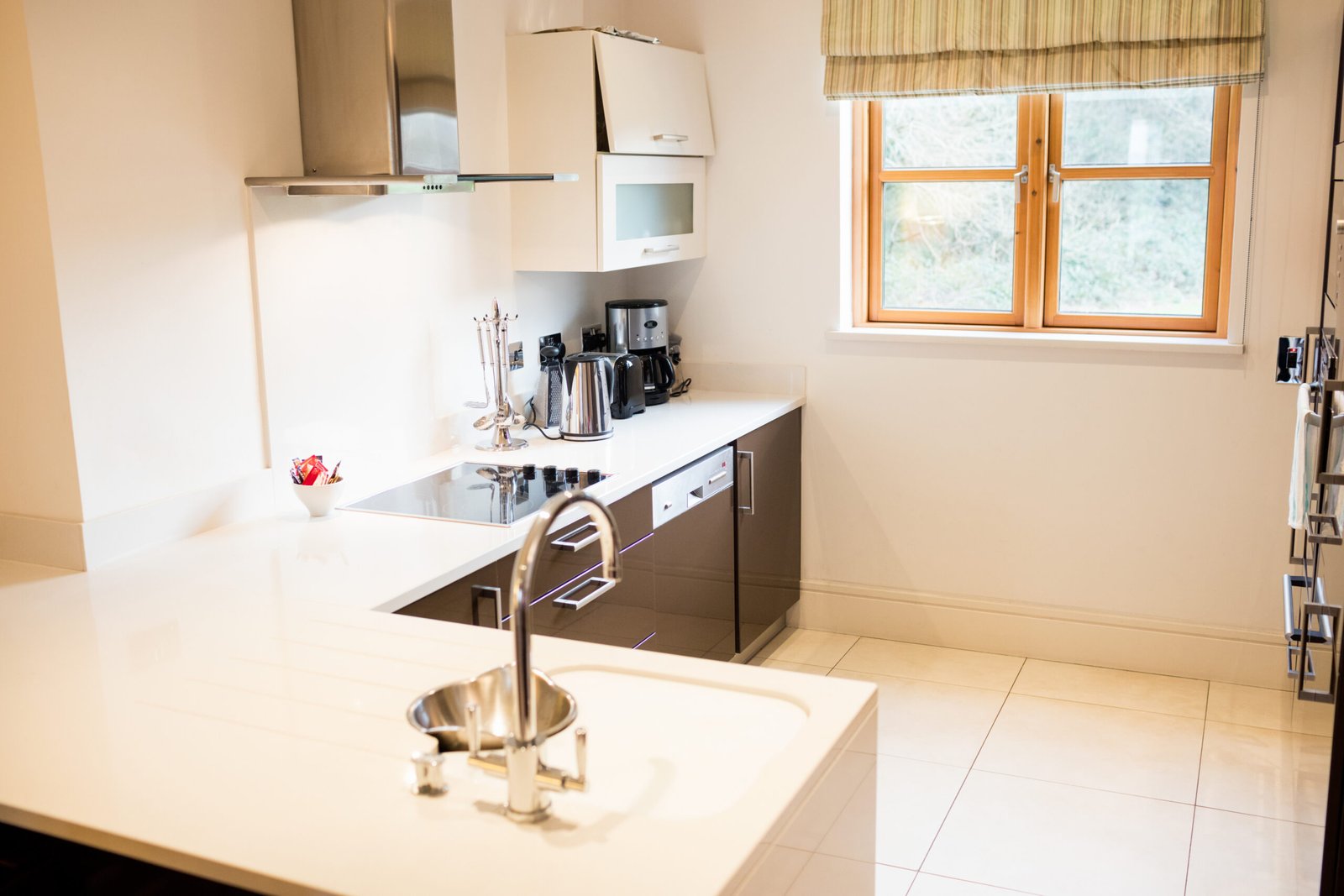
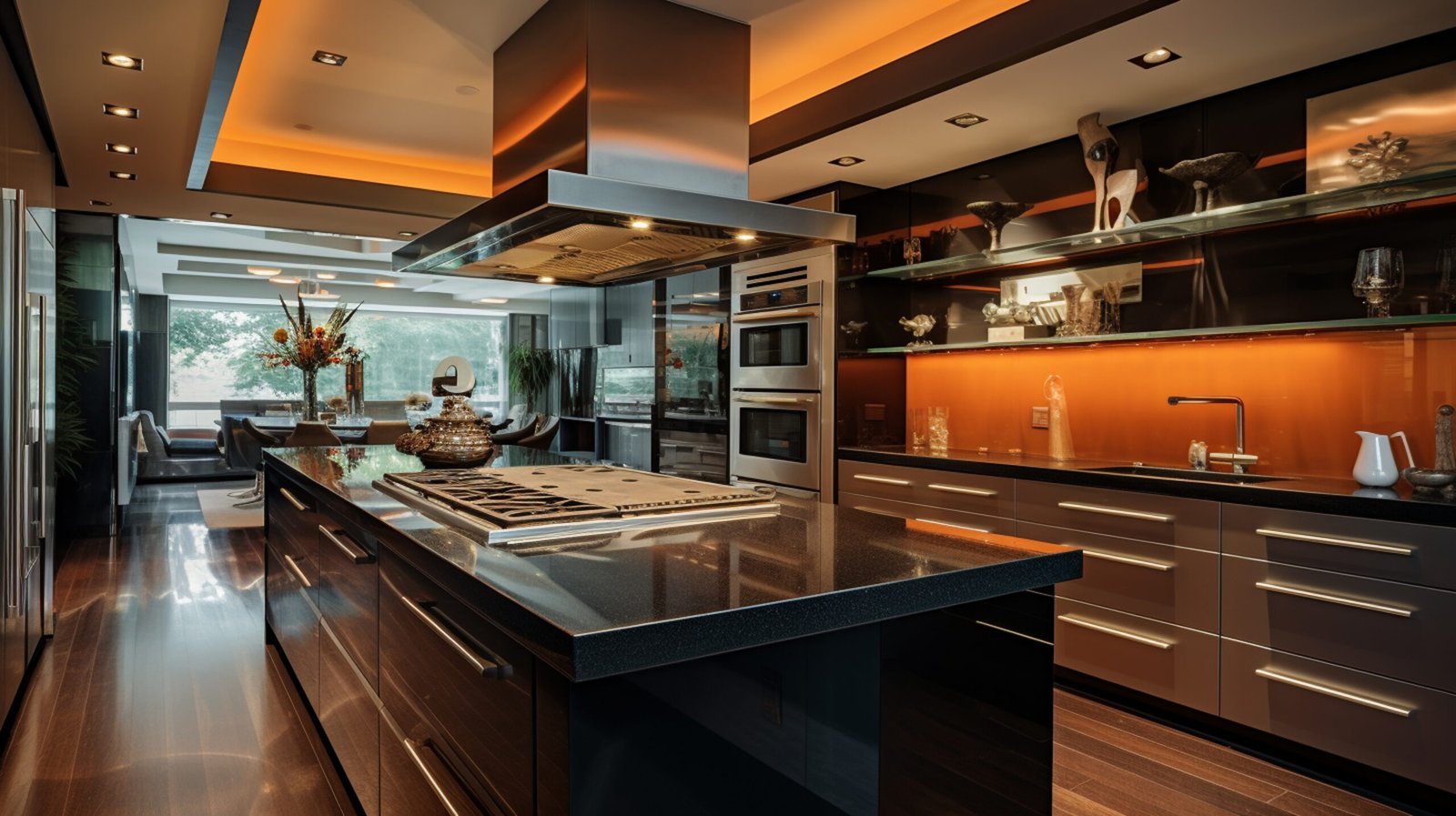
Cooking in a bigger kitchen becomes convenient. Include additional cabinets, counters, or an island. Open kitchens can lead to a dining or living room. It gives room for relatives and friends.
Think about storage. Additional cabinetry or a pantry will help keep your kitchen in order. Cooking becomes comfortable with ample lighting and ventilation.
3. Create a Home Office
Many people work from home. The addition of a home office can promote concentration and efficiency. Your own quiet place, with access to natural light. The office must have lots of power sockets to charge the laptops.
You must get modern shelving to store your items. An office dedicated to work allows separation from home. A small corner for the office is also a good idea.
4. Outdoor Spaces Matter
The living area becomes bigger with patios and porches. You will love it if you love BBQs. You should also consider the design so that it can match your home style. Make it suitable by adding railings, lights, or plants.
Think about the sun and wind. The space must be usable throughout the year due to shade structures or awnings. Open spaces beautify and create extra utility for your space.
5. Match Your Home Style
Your addition should connect with your home. Use the same colors, materials, and rooflines. Sometimes a mismatched addition looks weird. Coordination of style creates completeness in the home.
Focus on external and internal elements. The flooring and paint must complement each other. Even tiny things such as handles or trims are significant. A thought-out appearance increases your home’s value.
6. Include Smart Storage
Include storage in your new space. Closets, shelves, and cabinets keep all the rooms nice and clean. Storage keeps the clutter away and rooms ready for use. Consider your family’s needs before building. Storage provides added functionality.
7. Plan for the Future
Your family may grow or change. Plan your addition for flexibility. You can add a room that may become a bedroom or an office. Maybe you can convert it into a playroom after some years. Flexible design saves money later.
Bottom Line!
Home additions can be complicated, and they require careful planning. Be familiar with your price point, regulations, and design. Find trustworthy contractors to complete the process. They make it comfortable and stylish.
Tarzia Group will help to design and reshape your space. Our professional team provides home addition and renovation services in Stamford CT and other nearby places in Connecticut. We handle the construction process. People praise our hassle-free home extension advice. If you want to add a new bedroom or a new kitchen, it’s time to contact us.
Frequently Asked Questions
How much time does a home addition take?
It might take a few weeks or many months. The strict answer depends on the project size and complexity.
Do I need permission for the room addition at my apartment?
Yes, most cities and states require permits, which guarantee you follow all safety measures.
What does a home addition typically cost?
It depends upon size, materials, and labor. You must add 10-20% of the overall amount for unexpected expenses.