Key Points
- Construction plans follow a logical sequence that becomes easy after you understand the signs.
- Title blocks, scales, and legends describe the drawing elements.
- Site and floor plans represent the layout and spatial utilization.
- Elevation and structural drawings show appearance and safety.
- Plans help prevent expensive mistakes.
Introduction
For someone new to building a home, construction plans look complicated. The pages look dull and are full of information that goes over your head. You can see lines and symbols everywhere. A lot of people feel confused immediately. It’s not because the plans are too difficult. It just means you haven’t figured out how to read them yet.
Construction plans are always well-defined. They follow rules that don’t change from project to project. Once you grasp that order, everything starts to make sense. You don’t have to become a builder or architect. Ask the right questions and know where to begin.
Tarzia Group offers construction plans in a clear and straightforward style. Plus, our team explains everything clearly, so you don’t have to struggle with it. You should also understand the benefits of building a house from scratch.
What Construction Plans Really Do
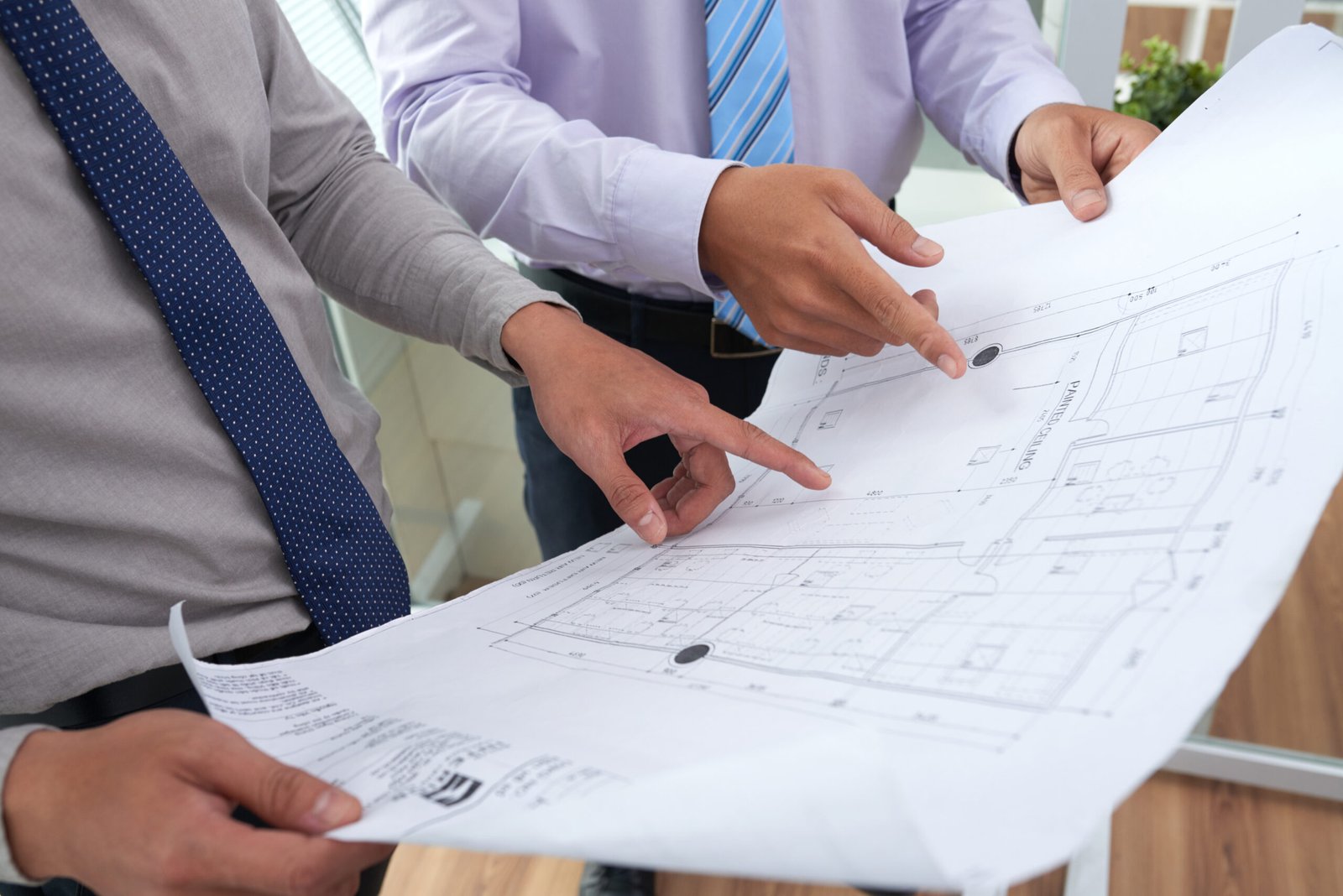
Plans are the directions for constructing a home or other structures. Builders use them every day. Designers also use them to explain concepts, and inspectors use them to verify safety. Homeowners can use them to understand how their home will look.
These plans show the size, shape, and configuration. They also mention the materials and systems. Every wall, door, window, pipe, and wire is mentioned on these drawings. The project goes smoothly when everyone follows the same plans.
Good plans help avoid mistakes. They save time and money. Plus, it keeps you away from stress in the building process. So when you grasp the plans, you can stay in the loop.
How Construction Plans Are Organized?
Complete construction plans may consist of numerous drawings. Each drawing pays attention to a different part of the building. The plan booklet may appear thick, but don’t be fooled: every page serves a purpose.
Each drawing has a title block. This is typically located at the bottom or side of a page. It highlights the project’s name, address, drawing title, scale, and date. Always read this area first. It says precisely what you are seeing.
Scale is also an issue because, of course, drawings are not full scale. They make the building small enough to fit on a piece of paper. The scale bar shows how drawing measurements correspond to true measurements. So, where size is concerned, things can get confusing without looking at the scale.
Most of the drawings have a legend or key. This section describes symbols and line types. If you do not understand the symbols, check this box. It shows the signs used for doors, windows, fixtures, and fittings. Never guess a symbol’s meaning. The legend tells you the answer.
Site Plans Explained
Land is the starting point for every project. The first drawing depicts how the building fits on the site. This diagram features lot lines, driveways, walkways, utilities, and other local elements.
People often struggle with site plans, but the concept is simple. The drawing shows the position of every component. It also indicates distances from property lines and nearby structures. This information saves you from headaches and possible legal troubles.
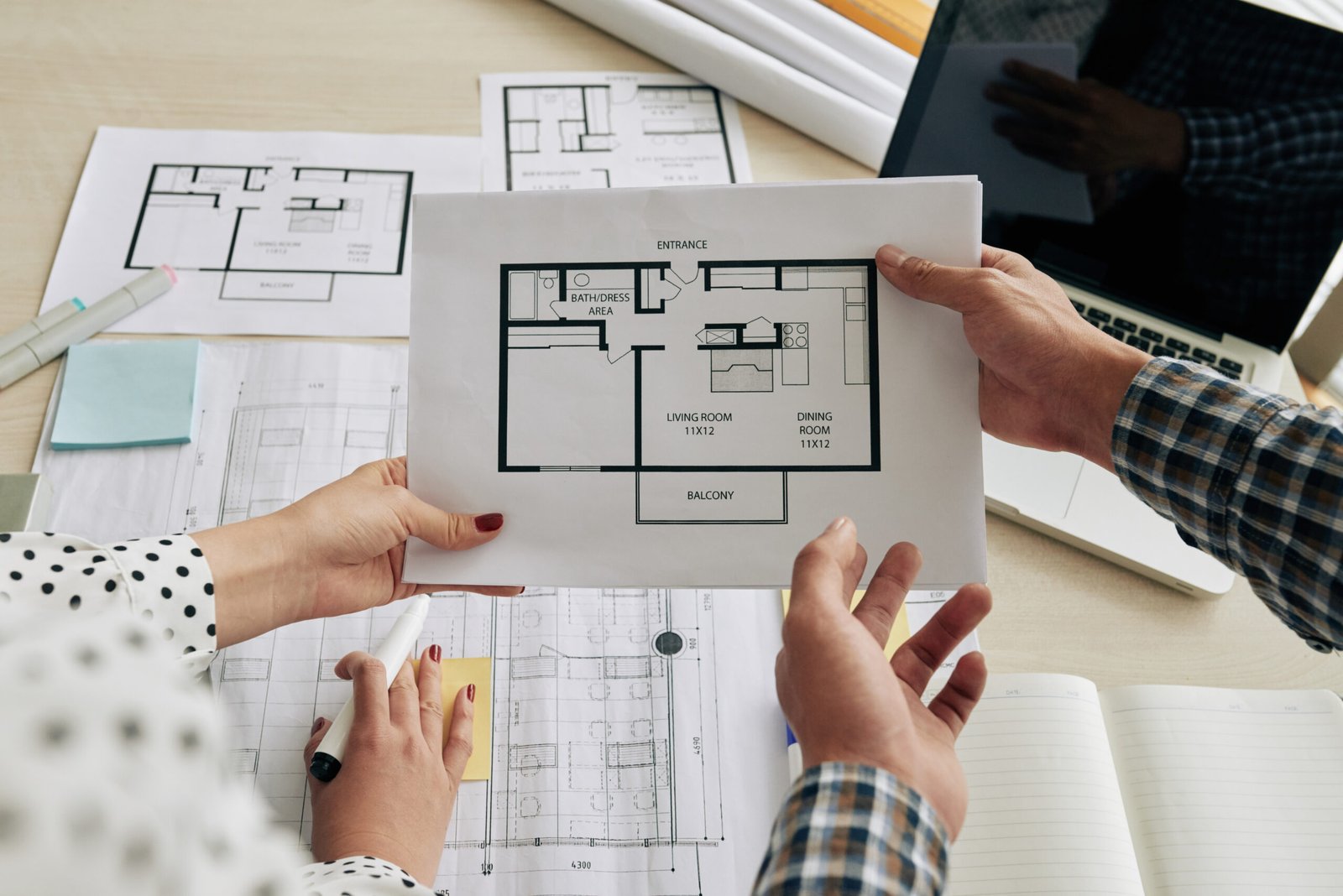
Floor plans appear next, and they illustrate how the space will be laid out inside. These drawings are from above, looking down without the roof. They reveal room sizes, wall locations, doors, windows, and stairs. There’s usually a label for each room, and dimensions are mentioned near the walls.
Reading architectural plans shows how you can move through the space. Look at how rooms connect. Pay attention to where the doors have been placed and the width of those hallways. Ask yourself if the layout feels easy to use.
Exterior Views and Interior Details
Floor plans are about your layout rather than the appearance. Elevation drawings solve that problem. These illustrations show the exterior of the building from all sides. You generally see the front, back, and both sides.
Elevations not only illustrate the shape of the roof but also indicate window style, door design, and exterior materials. They help you envision the completed building. These drawings also present heights and proportions that make the building feel in balance.
Section drawings go even deeper. They slice through the building to show what’s inside. They show walls, floor systems, ceiling heights, and roof assemblies. They describe how parts interconnect and support each other. Builders follow the section drawing to know how to build correctly. These details are crucial for comfort and safety.
Order and Protection in the Sketches
Structural drawings focus on strength. These drawings are prepared by engineers who have to ensure the safety of buildings. These drawings show the beams, columns, footings, and foundations.
Notes and callouts show the sizes and materials. These details matter a lot. Builders must follow them closely. One small change can make the whole structure crumble. You need time for reading structural drawings. Follow each note carefully. These sketches protect the building and everyone inside it.
Systems That Power the Building
A building requires systems that keep it comfortable and usable. The designs of these systems are included in the construction plans.
Mechanical plans depict heating and cooling equipment. They also indicate duct routes and vents. These drawings illustrate how air travels through the building and how rooms maintain comfortable temperatures.
Electrical drawings show the position of lights, switches, outlets, and panels. Construction plan symbols and lines describe the wiring paths. Notes appear throughout these plans. Always read them as they explain rules and special instructions.
General Tricks to Read Construction Plans
It takes practice to read construction plans, but a few habits can ease the process.
Helpful tips include:
- Begin with the title block every time
- Check the scale before measuring
- Refer to the chart legend if you cannot understand the symbols
- Read notes and callouts carefully
- Compare different drawings together
Why Learning This Skill Matters
You get more control when you can read blueprints. You can follow progress and ask better questions. You can catch issues early. This is valuable for homeowners, property investors, and business owners. It decreases fear and increases confidence. You’re no longer clueless in meetings or on site visits. When you understand plans, confusion is replaced by clarity.
Call Tarzia Group for Your Construction Plans
Tarzia Group is the best choice for home building and remodeling in Stamford, CT. Nicola Tarzia founded this company back in 1988, and since then, people have trusted us for our expertise. We have built luxurious custom homes and completed numerous renovations.
Our professionals serve Stamford, Greenwich, Darien, New Canaan, Westport, and surroundings. We honor your time; therefore, we ensure the process is efficient. Stop searching, let’s get in touch now!
Frequently Asked Questions
What are construction plans?
Construction plans are visual representations that show how a building will be constructed. This is the foundation that builders and designers use to direct the project.
Do homeowners have to read building plans?
Homeowners do not need to be experts at reading the plans, but some background is helpful for following progress and asking better questions.
What is the first thing I should look for on construction plans?
Check the title block and scale to figure out how measurements work. It gives you a good idea of the layout and the space utilisation.