Key Points
- Never consider commercial construction regulations and permits optional, as they can come back to haunt your project later.
- There are many permits that you’ll have to look for, including building and grading permits and zoning regulations.
- Always look for a company that has local experience in handling these types of projects, so that they know what and how to do it.
Introduction
Commercial construction permits are not optional paperwork you deal with later. They shape the project from day one. Miss one, delay one, misunderstand one, and everything slows down. Sometimes for weeks. Sometimes longer.
Every city treats permits differently. The basics remain the same, but the details drift. That’s where most projects stumble. Not because the work is wrong, but because the paperwork is.
But a question arises in this situation: What type of permits for commercial construction building projects are needed? Well, don’t worry, we are here. In this piece, we’ll be talking about the most common ones involved in such projects. So, let’s start reading it.
Why Commercial Development Permits Exist At All?
Permits exist to control risk. Not to annoy builders, even if it feels that way. Cities want to protect public safety, utilities, traffic flow, and nearby properties. That’s it. Commercial projects raise the stakes. More people. Heavier systems. Bigger failures if something goes wrong.
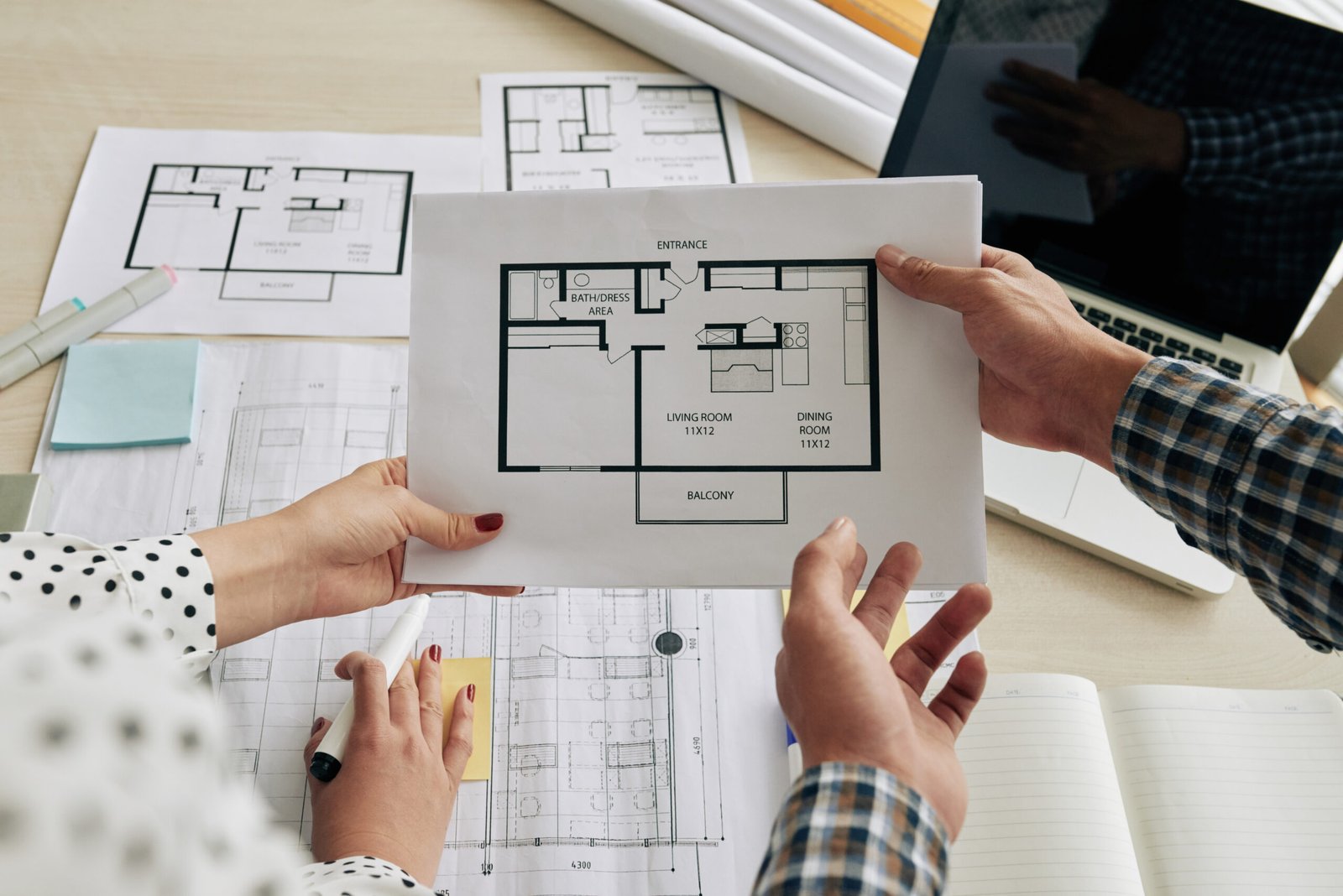
Commercial building permits usually trigger reviews from multiple departments. Planning, zoning, fire, environmental, and utilities. Sometimes all at once. Sometimes in no clear order. Expect overlap and conflicting comments, which is totally normal. You can also learn how to read & understand construction plans.
Core Commercial Building Permits You’ll Almost Always Need
- Building Permits
If you don’t apply for it, better forget about starting anything. A building permit approves the structural work, including foundations, walls, framing, and roofs. It confirms the plans meet local building codes. Engineers usually stamp drawings, and cities look for load paths, materials, and life safety basics.
Commercial construction authorisation often requires phased approvals. Shell comes first and interiors later, or you can simply opt for partial permits to keep things moving. One bitter truth: if you don’t have a building permit, there are no inspections.
- Zoning and Land Use Approval
Zoning always comes before construction permits. This approval checks if the property can legally support the intended use. Office, retail, warehouse, medical, mixed-use. Height limits. Parking counts. Setbacks. Sometimes zoning is simple. Sometimes it’s political. If the use doesn’t comply, you’ll need a variance or special exception. Public hearings follow, and then the time gets stretched. Commercial construction regulations live heavily in zoning codes. Ignore them and redesign later. This becomes costly.
- Site Development or Grading Permit
This covers grading, drainage, erosion control, retaining walls, and site utilities. Stormwater plans matter here. Cities care deeply about runoff and downstream flooding.
Large commercial sites trigger environmental reviews for wetlands, floodplains, tree removal, and then soil reports. These permits often run parallel to building permits, yet they don’t always align cleanly.
Trade-Specific Permits That Stack Up Fast
- Electrical Permit
Commercial electrical systems are complex because of high loads, emergency power, and fire alarms. Electrical permits are usually separate. Issued after plan review by an electrical inspector. Sometimes tied to state licensing databases.
Temporary power also needs a permit. Even short-term setups require permits.
- Plumbing Permit
Water supply, waste lines, grease traps, and medical gas systems. All reviewed. Plumbing permits often involve health departments for food service or healthcare projects. That adds another layer. Another reviewer. Another clock.
- Mechanical and HVAC Permit
Heating, cooling, ventilation. Air quality standards apply. Commercial buildings trigger energy code reviews here. Equipment efficiency. Controls. Fresh air rates. Mechanical permits are rarely quick. Expect comments and revisions.
Environmental and Special Use Permits
Environmental permits apply when there’s contamination, protected land, or regulated discharges. Brownfield sites. Fuel storage. Industrial waste.
Special use permits apply to specific industries.
- Restaurants.
- Auto repair.
- Daycare centers.
- Medical clinics.
Each permit comes with its own compliance checklist, and approvals rarely move quickly. Coordination between agencies is often inefficient, so planning ahead is essential, the order of permits matters more than most people admit.
Permits are not Linear
Zoning first. Usually. Site approvals overlap. Building permits split. Trade permits lag. Fire approvals interrupt everything. Applying in the wrong order wastes time. Cities won’t always tell you this upfront. They assume you know. One delayed permit can stall inspections across the board. Crews wait, costs rise, and schedules break.
Commercial Construction Regulations You Can’t Ignore
Codes change. Often mid-project. Building codes update every few years. Energy codes shift. Accessibility rules tighten. Fire standards evolve. Commercial regulations are enforced at the time of permit issuance, not design start. That detail matters.
If your drawings are old, expect revisions. Inspectors enforce the current code. Not what you planned for 6 months ago.
Common Mistakes That Slow Everything Down
- Incomplete drawings are the biggest issue. Missing details. Conflicting plans. No coordination between trades.
- Second mistake. Assuming residential rules apply. They don’t.
- Third, underestimating review timelines. Commercial permits take longer. Always.
- And one more. Treating inspectors like obstacles. They’re not. They’re the gatekeepers.
Conclusion
Commercial construction permits aren’t just paperwork. They are part of the build itself. Ignore them, and the project fights back. Know the permits. Respect the order. Expect friction. That’s how commercial projects actually get built.
If you are thinking about how to find a desired company that always prioritizes non-residential construction permits to ensure the project is delivered carefully. You don’t have to stress, we are here. Tarzia Group holds decades of experience in delivering projects successfully.
Frequently Asked Questions
What permits are needed for commercial construction projects?
Most projects require a building permit, zoning approval, site or grading permit, and separate trade permits for plumbing, electrical, and mechanical work. Fire department approval is almost always required as well.
Are commercial building permits different from residential permits?
Yes. Commercial permits involve stricter codes, multiple agency reviews, and more inspections. The process is longer and more detailed.
Can construction start before all permits are approved?
Sometimes, limited work can begin with partial or phased permits. Full construction cannot proceed without core approvals. This depends on the jurisdiction.