Key Points
- Most people blow their budget before a single wall goes up in home addition projects.
- You need a real budget in your head before you call any contractor.
- Zoning rules catch people off guard and cost them serious time and money.
- Build up instead of out to save on expensive foundation work.
- A contract with clear milestones prevents surprise costs.
Home additions sound great on paper. You get more space, better flow, and a room you actually need. But talk to people in Greenwich who went through this without a solid plan, and you will hear a different story. Budgets that doubled. Timelines that stretched from months to years. Contractors who disappeared halfway through the job.
This does not happen because home additions are impossible to manage. It happens because people skip the boring parts at the start and pay for it later. You do not have to make those same mistakes. Here is an affordable home addition planning guide for homeowners who want more space without losing their minds or their savings.
Figure Out Your Real Budget First
People tend to pick a number that sounds reasonable and go with it. That is not a budget; it is a guess.
A home addition in Greenwich costs more than in most other parts of Connecticut. Labor here costs more because of high demand. Materials cost more, and expectations around quality run higher, too.
You can expect $200 to $400 per square foot, but the exact value depends on your needs. Sit down and figure out what you can actually spend without stress. Then add 15 to 20 percent on top of that number.
That buffer covers the things nobody sees coming. It can be old wiring inside a wall or a foundation that needs extra work. A material that is suddenly backordered for six weeks may also increase costs. People who skip the buffer end up making desperate decisions mid-project.
Get Specific About What You Need
Contacting home addition contractors in Greenwich, CT, and sharing all your requirements, and that’s what you want.
Also, ask yourself some honest questions. What does your family actually need right now? Where do mornings feel impossible in your house? What room do you wish you had? Is it a bedroom for a parent moving in? A home office where you can actually close the door on? A mudroom that stops the chaos by your front door?
People who answer these questions before talking to anyone end up with additions they use every day. People who stay vague build rooms that look great in listing photos and collect dust in real life. Write your needs down. You should write the must-haves and extra requirements separately.
Study the Zoning Rules
The city has strict zoning rules about setback distances and height caps. The requirements can change every year, so you cannot rely on word of mouth from people who built a home 3 years ago.
People often plan everything and find out that the town will not approve it. That wastes design money and several months of your life. Talk to the Greenwich Building Department before you hire anyone or draw anything. Find out what your property allows.
Permit timelines take longer than people expect. Build that wait into your schedule from day one. People who ignore permit timelines end up pushing back move-in dates by months and paying contractors to sit idle. Sort the zoning out early. Everything else gets easier after that.
Hire a Local Architect
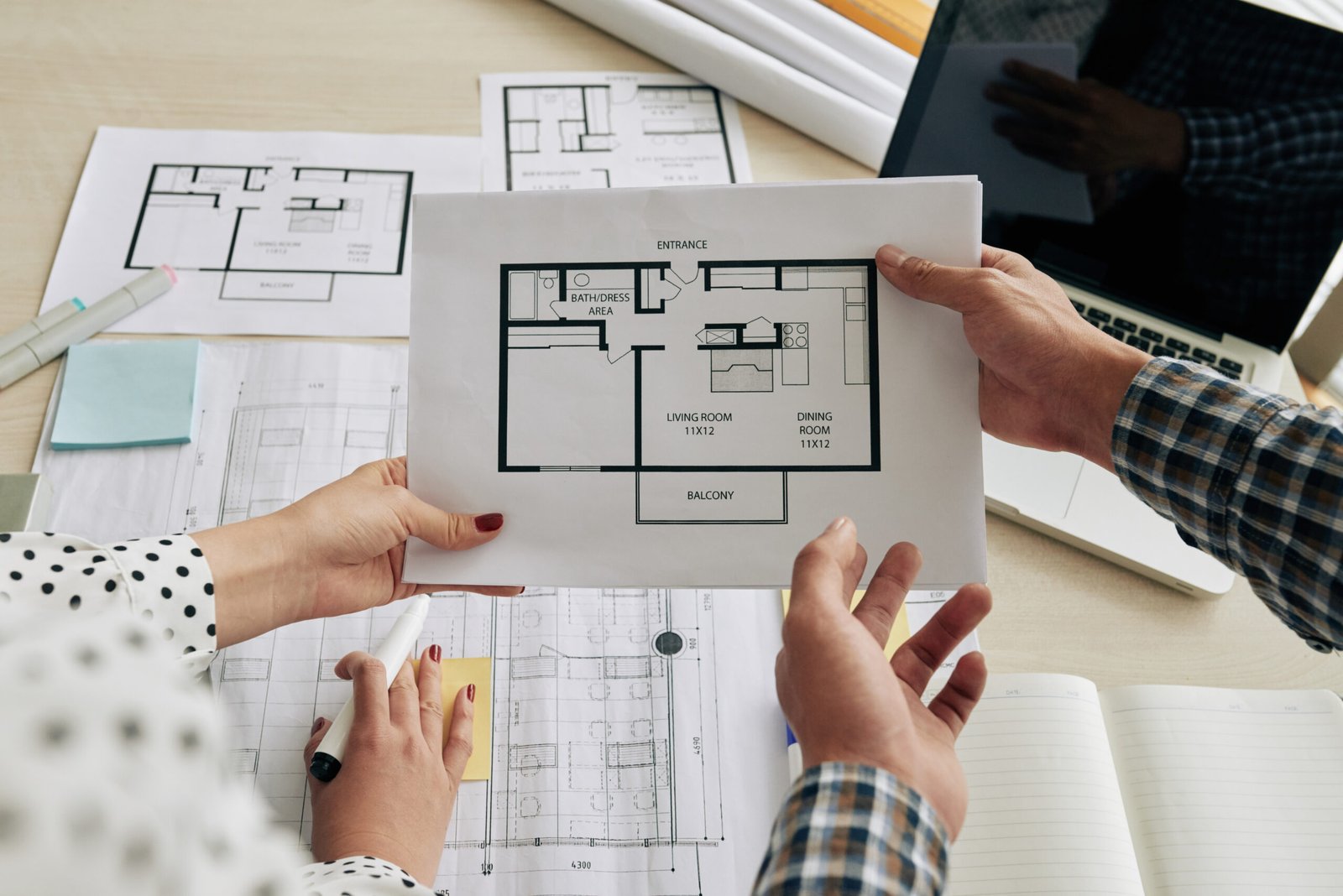
People often do not hire an architect, and the project goes wrong. You need a local architect who understands the requirements of the local authorities. They catch problems on paper before those problems show up in your walls. They give contractors a clear set of drawings to work from.
Here is why that matters. When you describe your project to three different contractors without drawings, you get three completely different interpretations. You cannot compare those quotes fairly. You end up picking a number without understanding what it actually covers.
Good drawings fix that. People who invest in proper plans up front spend less money arguing about scope later. That trade makes sense every single time.
Get Three Quotes
Check websites and talk to three contractors before you hire one. Ask for complete pricing plans from them. Labor should be separate from materials. Rough work should be separated from finishes. That level of detail shows you what you are actually buying.
Watch out for quotes that look low. Inexperienced contractors often do not include items such as electrical or plumbing systems. They will add these prices later. People who fall for a low number without reading the details end up spending more than the contractor with the honest quote would have charged them. Ask each contractor for references from local projects specifically. Local experience matters here.
Sign a Real Contract Before Work Starts
You cannot rely on word of mouth because you have to spend money on this project. Get a detailed contract that highlights every aspect of the project.
Change orders deserve your full attention. Every time you add something or change something mid-project, it costs more than you expect. You upgrade a window, or you decide to add a half bath. Each change touches work already in progress, and the costs stack fast.
Contractors should approve changes in writing and track them. Verbal statements and discussions can cause problems later. Write everything down. Every single change from day one.
Watch Your Finish Choices
The structure of your addition might stay on budget. The finishes are where people quietly overspend. Flooring and lighting can add massive amounts. Every one of these has a wide price range, and every one adds up fast.
Homeowners tend to have high standards, and showrooms here cater to that. You can walk in for tile and walk out having spent three times what you planned. Set a budget for finishes before you walk into any showroom.
Conclusion
Greenwich is not a cheap place to build, and you already know that. People here put real money into their homes, and they expect real results. The difference between a project that works out and one that does not almost always comes down to what you did before construction started.
Tarzia Group has worked with Greenwich homeowners long enough to know where projects go wrong and how to stop that from happening to you. Our team listens to your needs and explains everything clearly before working. Contact us today for a free quote!
Frequently Asked Questions
How long does a home addition take?
Most projects take four to eight months once permits clear. Ask your contractor for a real timeline early because surprises here are common, and you want to plan around them.
Do I need a permit for a home addition?
Every addition needs a building permit and town approval before work starts. Sort this out early because the approval process here takes longer than people expect.
How do I keep costs from spiraling on my addition?
Know your real budget before you talk to anyone. Get itemized quotes from at least three contractors. Write down every single change you approve during the build and never agree to anything verbally.