Key Points
- Create a detailed plan before you call renovation contractors.
- Write down a plan for expenses and a timeline.
- Hire experienced contractors to handle the major tasks.
- You need to thoroughly check the work after it completes.
Introduction
You want to renovate your home. Maybe you have things to repair. Maybe you wish to bring a more modern look. It is difficult to undertake home renovations. You worry about mistakes.
There are many things to take care of. Sometimes, people forget a few things. This brings a financial issue later. Good planning makes the work better, as it keeps surprises away. You should know the difference between remodel and renovation. Let’s start with the home renovation checklist.
Step 1: What You Need
There must be some rooms or aspects that have gone old. Maybe they don’t work well now. These are the top priority things. Find out which things are the most important and what you want to change.
Write down your goals, as clear goals guide every decision. They make choices easier. It prevents changes in the plans.
Step 2: Write a Budget
People easily forget their budget. This is why costs often go out of hand. Clearly tell your budget to the contractors. They will tell you about a renovation budgeting guide. They consider the pricing of labor, materials, permits, and a lot more.
Always set some money aside, as numerous little issues can pop up. Compare prices of different teams. Cheap companies use cheap materials, so stay away from them.
Step 3: Plan a Timeline
Write down how much time all aspects need. The procurement of materials might take a week. Construction could take four to six weeks. A few weeks for finishing touches. Write your remodeling project timeline clearly and check the progress every day. A schedule is what keeps the project marching along. It stops delays.
Step 4: Plan Your Design
Good design is a pillar of a renovation. Pick colors and furniture. Choose lights and fixtures. You have to plan a rough layout for each area, such as room sizes and furniture layout. Mark the location of windows and doors. A clear design makes it easier for workers to understand your plan. It prevents mistakes.
Step 5: Get Building Permits
Each city has home renovation regulations. Some projects need permits. Others need inspections. You must check local laws before starting, as getting permits keeps the process legal. Following building codes prevents fines. It also ensures safety. You will not run into issues with future buyers. Always check that workers follow the rules as well.
Step 6: Hire a Team
Home renovations need experts. Get quotations from different companies. Check reviews and references. Talk to past clients. You must sign clear contracts before anyone starts work. The right hires save money and time. It also protects your project and guarantees it is aboveboard.
Step 7: Start Preparing
If time permits, you’ll want to empty the area so they can get started. You need to move the furniture or everything else you own. Cover floors and walls. Clear space prevents accidents. This way, workers can get the job done faster. Some preparation means a relaxed project and less craziness.
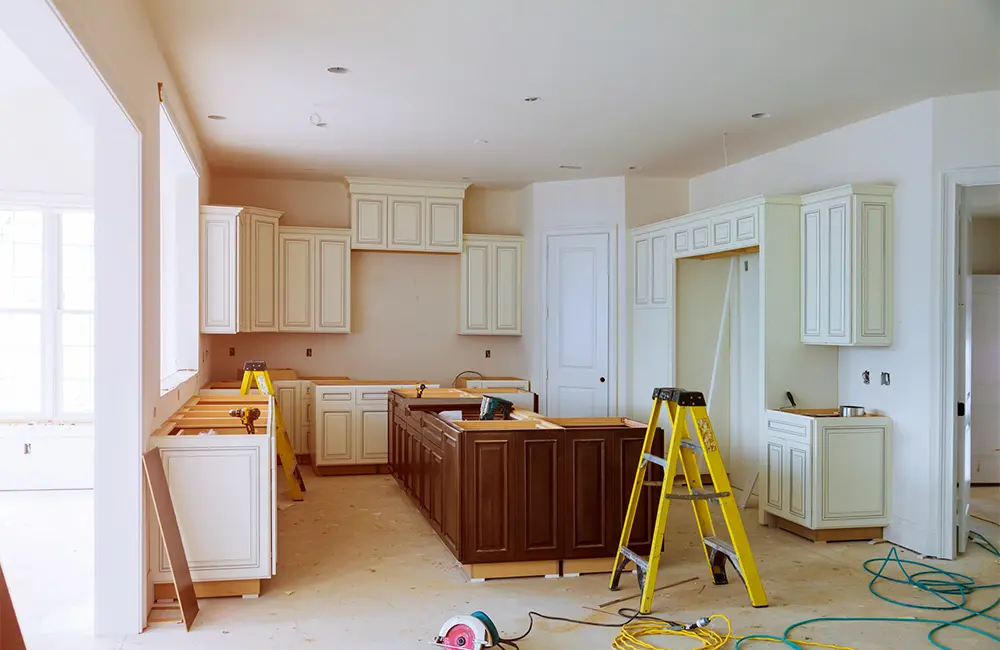
Step 8: The Renovation Phase
Site Preparation
Strip out old floors, fixtures, or damaged walls. The right preparation on site prevents disasters in the future.
Structural and Electrical Work
After the space has been cleared, a professional can take care of the framework and wiring. Perform any wall adjustments or structural changes at this time. Electricians must set up the outlets and wiring.
Plumbing System
Next in line are the plumbing drains and ventilation. Make sure that they are installed properly. It guarantees that you don’t struggle due to leakage and poor airflow.
Walls and Ceilings
Now the visual changes begin. Install drywall, tiles, or new flooring as desired. Fill cracks, sand down the surface, and verify alignment. This is what will give your home its new appearance.
Finishing Touches
After the building’s shape and surfaces are prepared, move on to the painting. Pick durable paints and coatings. These little things make the place look beautiful.
Position Fixtures and Appliances
It’s time to set up the shelves and appliances, or any other things you changed. Check each installation carefully. Test lights, plumbing, and hardware to make sure all is well. That is the end of your renovation.
Step 9: Review Your Project Every Day
Check progress every day. Talk to workers often, so they can solve small problems fast. Write down and take pictures of every step. Track the timeline and budget. You must talk to the team regularly and keep an eye on them. This prevents big mistakes. You can catch delays or issues beforehand and fix them.
Step 10: Inspect Work
When work ends, scrutinize it up close. Look for any cracks, openings, or surface unevenness. Check for water leaks or loose knobs. Test the electricity and plumbing. Instruct the workers to immediately fix all the problems.
Step 11: Debris Removal
Now, you have to clean the area. Wipe all the surfaces. Dispose of waste. Cleaning makes your home feel fresh. A clean place will also help you see that nothing remains.
Step 12: Final Review
There must be no unfinished corners or electrical problems. Check appliances and systems to see if they are operational. It gives you peace of mind that the work is alright before writing another check.
Step 13: Decor and Styling
The best part is the styling of your home. Furnish with rugs, curtains, and decoration items as per your theme. Get the benefit of natural light in the kitchen and bathroom renovation. Warm it up with plants or big pieces of flat wall art. Use throw pillows or blankets that will add warmth.
Common Mistakes to Avoid During Renovation
Here are a few common mistakes that you should prevent:
- Failing to establish an accurate and practical budget.
- Skipping permits and building codes.
- Ignoring timelines and progress checks.
- Constantly changing plans mid-project.
- Failing to check work before signing off on it.
- Hiring unqualified or unlicensed workers.
- Not setting up the space before you begin.
- Neglecting safety at work while working.
- Failing to plan post-renovation maintenance.
Trust Tarzia Group for Home Renovations
This was the end of our home improvement checklist. Home renovations can seem overwhelming. But a concise list helps you process each step. Little things and safety rules matter, too.
At Tarzia Group, we make sure that families can get their home renovation done with ease. Our staff walks you through the planning phase to completion. We value quality, safety, and comfort. With us, your perfect home can become a reality. Lets start your home renovation and addition in Stamford CT.
Frequently Asked Questions
How to renovate a home cheaply?
Reuse items when possible. You should do small tasks like painting yourself. Avoid a change of plans when the work starts. This way, you always stay on budget.
Do I need local permits for my home renovation project?
Some projects require permits, such as electrical and plumbing work. Local building codes determine what requires approval. Permits are important for keeping your project legal and safe.